Duration: 2:00
In this module, you will continue the BluePeak investigation you began in Module 1. Rather than exploring the account broadly, you will now use a short set of guided prompts to build a more specific diagnosis of why the renewal is at risk.
By the end of this section, you should be able to explain what changed in the account over the last 90 days, identify the top risks and likely root causes, describe the stakeholder and sentiment dynamics that matter most, and determine whether an unresolved escalation is central to the story.
This module is designed to show the difference between broad investigation and more directed prompting. The goal is to turn evidence into a clear point of view you can use in the next step of the workshop.
Duration: 1:00
Module Recap and Working Environment
This module begins immediately after Module 1. Stay in the same Glean workspace and keep your previously tagged materials available.
If you completed the previous section, you should already have reviewed the scenario, practiced Search versus Assistant, used summarize on at least one source, applied filters to narrow results, tagged several important items, and formed an initial hypothesis about why the account may be slipping.
In this module, you will pressure-test and refine that hypothesis.
Duration: 3:00
Deepen the investigation
Open Glean Assistant and start with a timeline-focused prompt such as:
- What changed with BluePeak in the last 90 days across email, docs, Slack, and Jira?
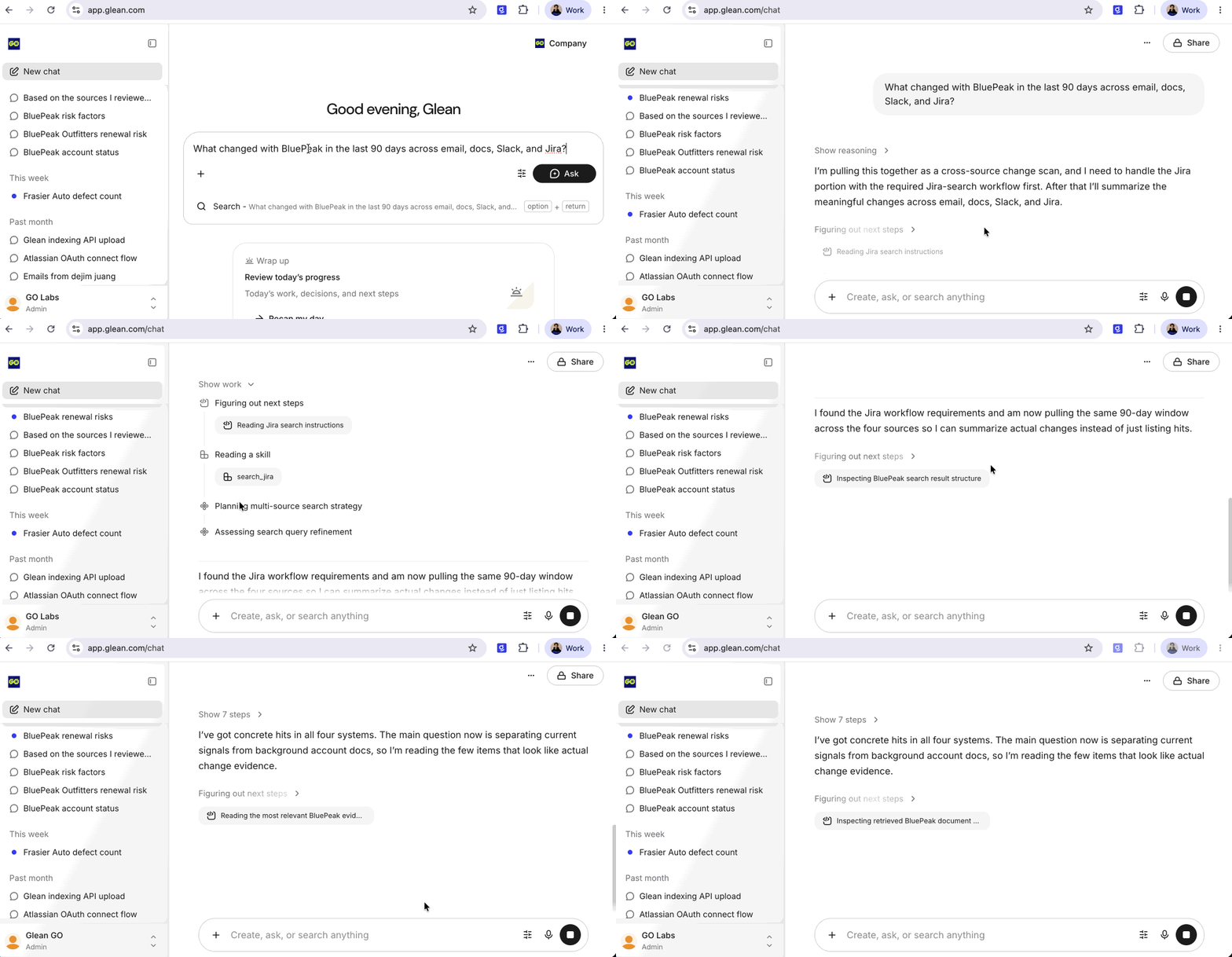
Review the generated answer, then open the supporting sources surfaced by the response. Do not stop at the summary. Compare the answer against the actual emails, documents, Slack threads, and Jira issues.
As you review the results, look for signs that the account was healthier one to two quarters ago, sentiment worsened in the last 90 days, adoption declined after a rollout, workflow, or product change, and the internal account-team posture became more urgent or defensive.
Duration: 3:00
Moving from Timeline to Diagnosis
Use the same chat session and drill down further to find the top risks associated with the account renewal. Feel free to try your own prompt or you can use the following:
What are the top risks to the BluePeak renewal based on the connected sources, and what evidence supports each risk? Present the risks and evidence in table format
If helpful, follow with:
- Based on the connected sources, what are the top root causes behind BluePeak's slipping renewal?
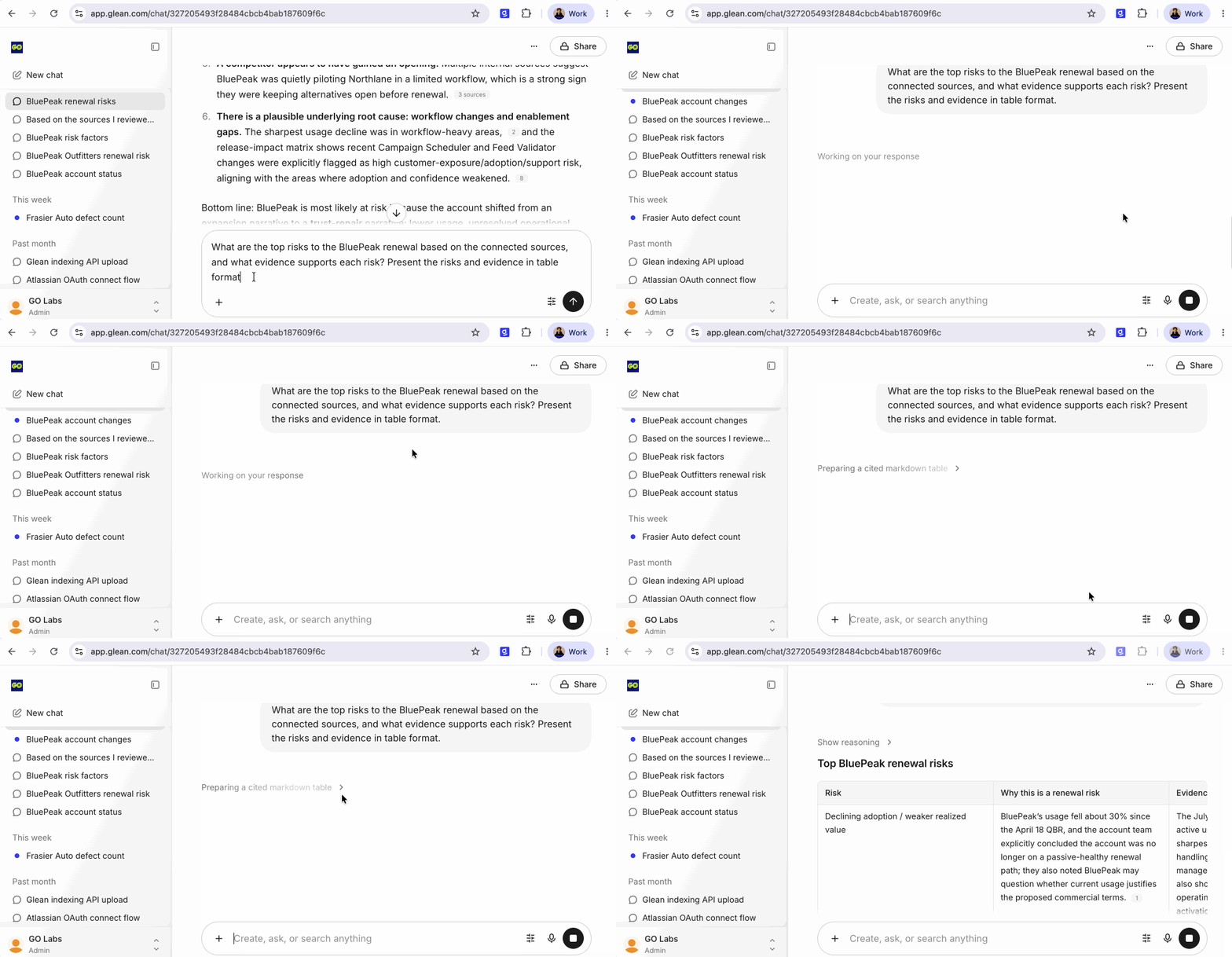
Review the answers and open the sources behind the strongest signals. Pay close attention to any issues tied to product friction, rollout problems, process breakdowns, or stakeholder disengagement.
Duration: 3:00
Find the key stakeholders
Next, focus on the people involved and whether one unresolved issue is materially affecting confidence.
Try the following prompts::
- Who are the key stakeholders on both sides of the BluePeak account, and what signals suggest sentiment has changed?
- Is there an unresolved escalation or open issue affecting BluePeak's confidence in Northstar Commerce? If so, summarize the issue and explain how it impacts the renewal.
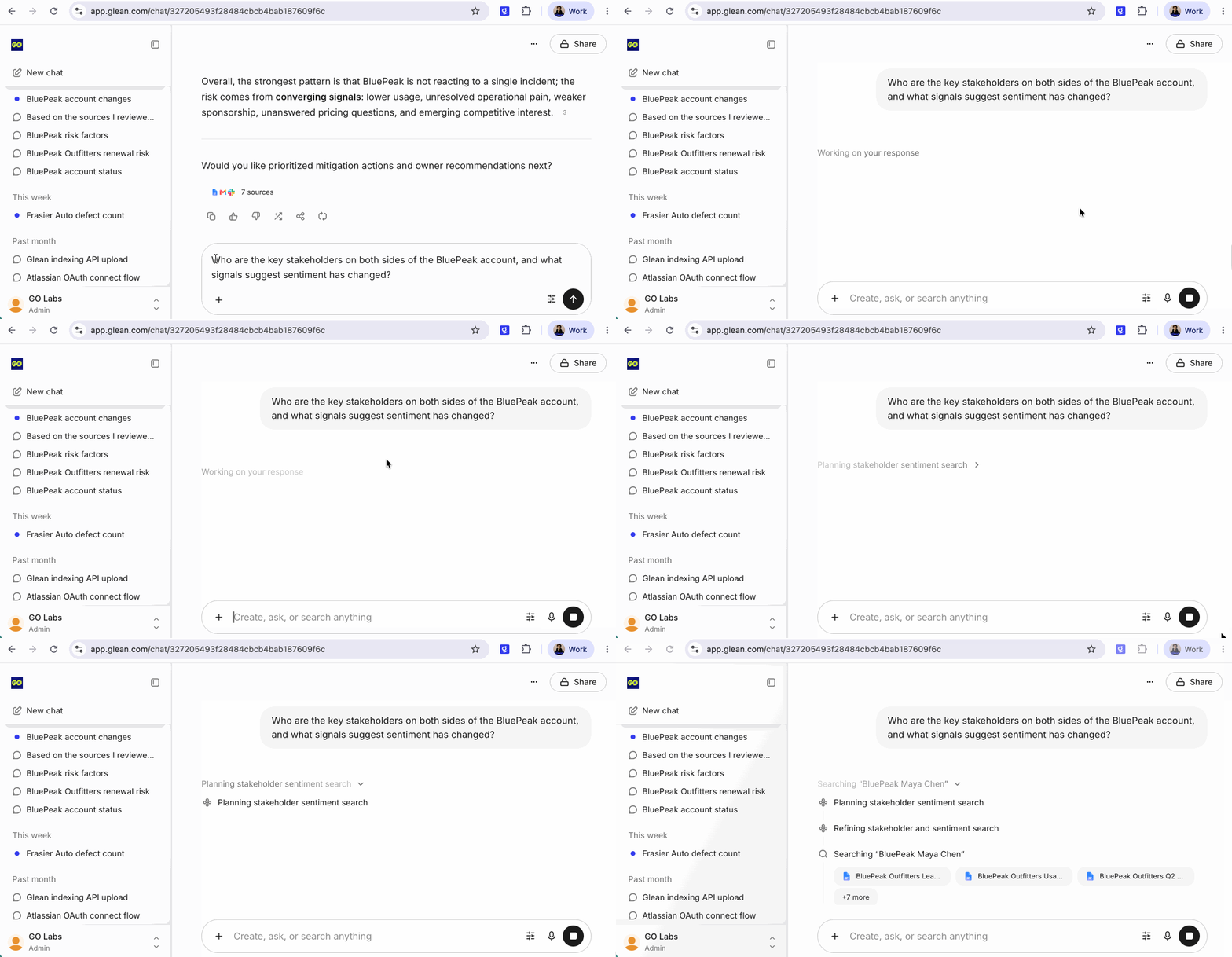
Open the surfaced sources carefully. Look for evidence that the day-to-day champion is still engaged but frustrated, the executive sponsor is less active or has gone quiet, internal stakeholders disagree on the nature of the problem, and a still-open issue is amplifying risk and reducing trust.
Duration: 2:00
Use Glean to Plan Next Steps
At this point, you should have enough evidence to move from observation to diagnosis.
In the same chat session, try the following prompt:
- Based on the connected sources, what are the top root causes behind BluePeak's slipping renewal, what evidence supports them, and what issue appears most central to the account story? Recommend the most impactful actions to reduce renewal risk.
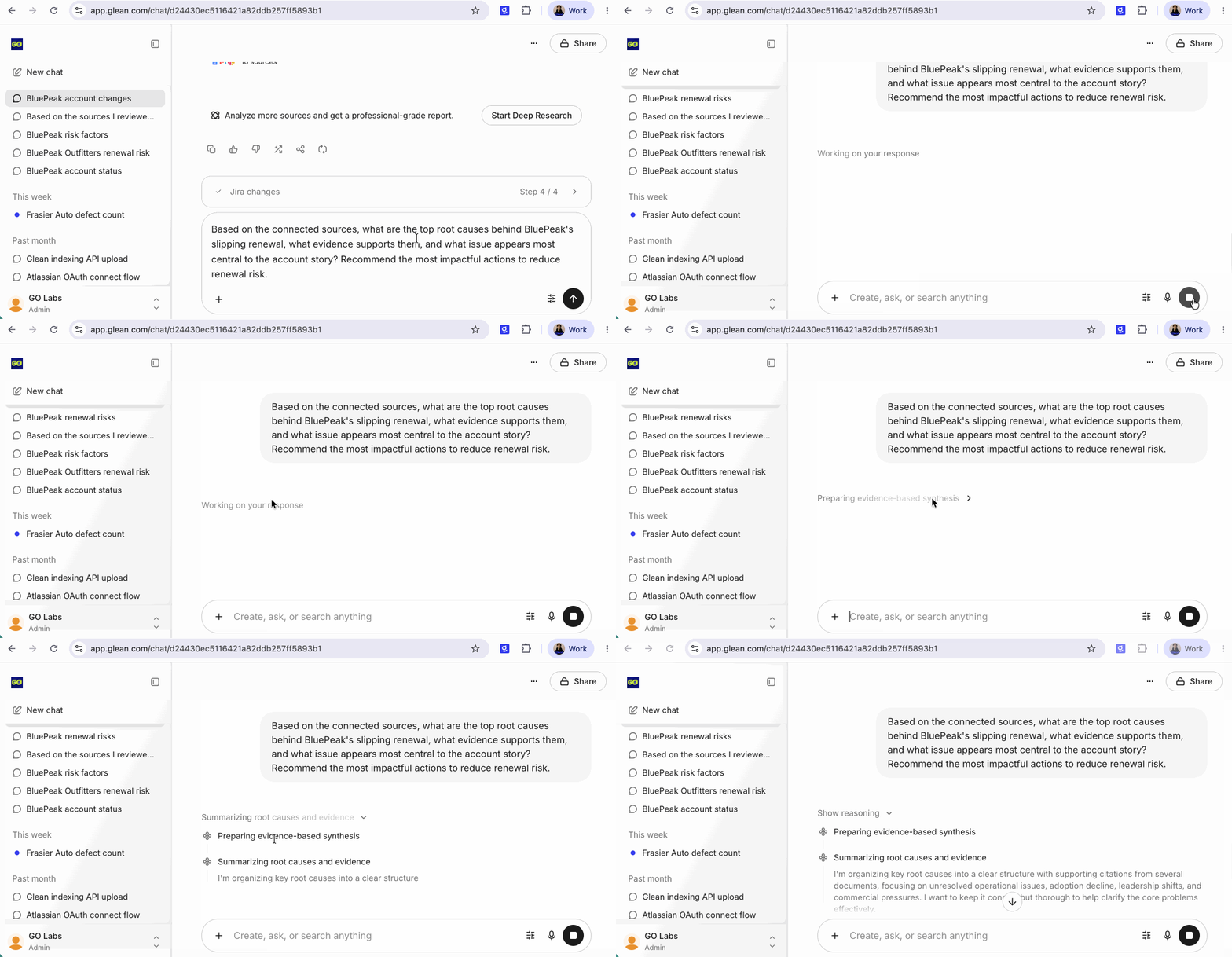
Use the answer to capture what changed, the top 3 root causes, the stakeholders and sentiment signals that matter most, and whether the unresolved escalation is central to the account story.
As a group, discuss what evidence stood out most clearly, what risks moved higher in importance, whether the unresolved escalation became more central once you asked for it directly, and how the guided prompts changed the quality of the investigation.
Duration: 1:00
In this module, you used guided prompts to turn broad exploration into a more specific renewal-risk diagnosis.
You identified what changed, clarified the strongest risks and root causes, examined stakeholder and sentiment shifts, and evaluated whether an unresolved escalation is shaping customer confidence.
You should now be ready to turn that diagnosis into polished outputs in the next section of the lab.